
Miami Art Week is close. The City of Miami Beach has set Art Week Miami Beach for Monday, November 30 through Sunday, December 6, 2026. Art Basel Miami Beach opens to invited guests on December 2 and 3, then to the public December 4 to 6 at the Miami Beach Convention Center, with 272 exhibitors from more than 40 countries and territories. Design Miami runs public days December 3 to 6 at Pride Park.
For brands, that week is one of the busiest content moments of the year in the city. Collectors, designers, press, and creators are all in one place, and everyone's feed fills up with booths, dinners, and hotel lobbies. That is the opportunity, and it is also the problem. With roughly two weeks to go, the brands that get useful creator content out of Art Week are the ones that plan their own setting, their own story, and their own paperwork now, rather than hoping a creator finds something good on the night.
Here is how we would approach it.
Decide why your brand belongs in the week
Art Week is not a general awareness play. It rewards brands with a real reason to be in the conversation: a design collaboration, a collector-minded product, a hospitality partner, an artist you already work with, or a customer who genuinely spends that week in Miami. If you cannot say in one sentence why your brand is there, a creator will not be able to say it on camera either.
Write that sentence first. Then pick one outcome you actually want, whether that is a library of content you can reuse into the new year, a guest list of the right people at a small dinner, or attention for a specific launch. Everything else in the plan should serve that one outcome.
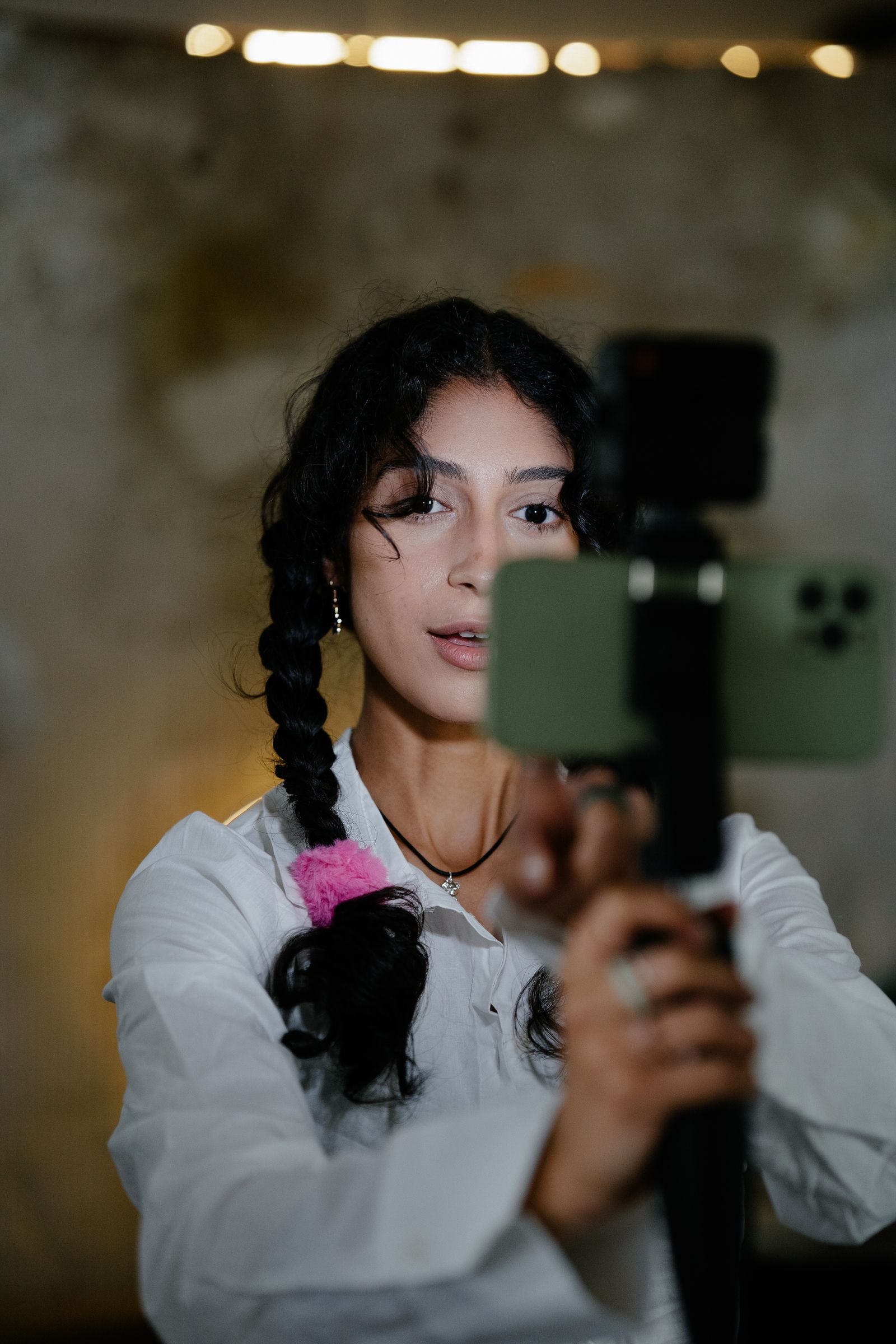
The fair is a backdrop, not your set
This is the point brands most often miss. Art Basel's ticket and entrance terms say ticket holders may use recordings from the show sites only for personal use, are prohibited from using them for commercial purposes or financial gain, directly or indirectly, and may not live broadcast or stream from show sites. A paid creator walking the aisles and filming sponsored content for your brand sits uncomfortably against those terms unless you have an authorized arrangement with the fair.
The same caution applies to language. Unless you are an official partner, avoid naming, logos, or captions that suggest your activation is part of Art Basel. "During Miami Art Week" is usually the more accurate way to describe an independent event, and campaign names are worth a quick legal review.
The fair is the backdrop everyone expects. Your setting is the one you control.
None of this means skipping the week. It means building the moment yourself: a hotel suite, a private dinner, a showroom, a gallery partner who invites you in, or a studio visit with an artist who has agreed to be filmed. A setting you control gives you better light, better sound, cleaner product handling, and the releases you need to reuse the footage later.
Sort out filming permissions before you brief anyone
Miami Beach has clear rules, and they are easier to meet two weeks out than two days out. The City's Film & Print Office says commercial film, video, online media, and photography productions need a Film & Print permit, and those permits are mainly for public property and private residential property. Most production inside private commercially zoned spaces, such as hotels, restaurants, stores, and nightclubs, does not need a city permit, though you still need the venue's permission.
If your creators want to shoot on streets, sidewalks, beaches, or in parks, the City's Citywide permit is designed for small teams of twelve or fewer with handheld equipment, with no drones, no generators, and no blocking of pedestrian or vehicle traffic. The City asks for requests at least three business days ahead for citywide work, five in commercial districts, and ten in residential areas, along with a signed indemnity agreement and a certificate of insurance naming the City. The City also notes that a single photographer with no models, assistants, or crew, using only handheld equipment, is exempt. Art Week is a peak period, so build in more time than the minimum.
Choose creators for taste, not just reach
Art Week audiences are quick to spot content that is borrowing culture rather than taking part in it. The right creator for this moment already talks about art, design, fashion, or hospitality with some fluency, has an audience that overlaps with the people you want in the room, and can tell a story about a space without turning every shot into a product close-up.
Look at how a creator covered big cultural moments before. Did they explain what they saw, credit artists and venues, and give their followers a reason to care? Or did they post the same mirror selfie in five lobbies? You are hiring their judgment as much as their following.
Write a brief that works on a crowded week
Everyone is stretched that week, so the brief needs to be short and specific. At minimum, it should answer:
- Why the brand is there, in one sentence the creator can repeat in their own words.
- Where and when they are filming, who their point of contact is on site, and what is off limits, including artworks the brand does not have permission to feature.
- Exactly what you want delivered: a Reel, a TikTok, Stories, stills, raw footage, or some mix, and the posting window before, during, and after the week.
- How long you can reuse the content, on which channels, and whether paid amplification is included.
- Who approves captions and how quickly you will respond. A twenty-four-hour approval loop is too slow for Art Week.
- How the partnership will be disclosed.
Disclose clearly, even for hosted invitations
Art Week runs on gifting and hosting, and those count. The FTC's Disclosures 101 for Social Media Influencers says a material connection includes a financial relationship, and that financial relationships are not limited to money: free or discounted products and other perks count. If a creator is a guest at your dinner, stays in your suite, or wears your piece, that connection should be disclosed.
The FTC's guidance is practical. The disclosure belongs with the endorsement itself, not only in a profile, a "more" link, or a block of hashtags. In Stories it should be superimposed on the image long enough to read, in video it should be in the video and not just the description, and in a live stream it should be repeated. Plain words like "ad" or "sponsored" work, and the FTC says a platform's built-in disclosure tool should not be relied on by itself. Put this in the brief so nobody improvises it at midnight.
Plan the after, not just the night
The posts that go up during the week compete with everyone else's. The real value is often in what you can use after the week ends, once feeds have moved on: a short edit for your own channels, stills for your site and newsletter, and footage for paid social in January. Make sure the brief and the agreement cover that use before anyone arrives.
When the week is over, measure against the outcome you chose at the start. Look at saves, shares, and replies alongside reach, note which creators brought people into the room, and keep a list of what you would book again. That list becomes your plan for next year.
Related reading: Art Week runs straight into the holidays, so if gifting is part of your December plan, see our holiday influencer marketing guide for Miami brands.
Related reading: hosting a dinner or launch during the week? See how we plan creator dinners and launch events in Miami.
If you are planning creator content or a brand experience around Miami Art Week and want a second set of eyes on the brief, the venue, or the creator list, get in touch or write to info@curatedcollective.agency.